Connecting
Dots
Creating Impact.
Bayan Alzahabi Marketing & PR




Following up with a lead should continue the conversation they started. Automation becomes unhelpful when it ignores a reply, repeats a question already answered, or keeps contacting someone after they have declined. A good follow-up workflow uses the enquiry's state to decide what happens next and when the sequence must stop.
"Follow-up works best when each message has a reason to exist beyond reminding someone that you are still there." — BAZ Team
Define the states of an enquiry
Map the journey from a new enquiry to a clear outcome. Useful states might include awaiting first response, waiting for customer information, meeting arranged, proposal sent, won, lost, and paused. Give each state an owner and a rule for entering and leaving it. These definitions matter more than writing a long sequence of emails first.
Distinguish acknowledgement from a substantive response. An automatic receipt can confirm that a form arrived, but it does not answer the customer's question. Record both events separately so reporting does not mistake a fast acknowledgement for completed sales work. The buyer should also understand when to expect an actual reply.
For a service business, a lead awaiting a scoping detail needs a different follow-up from one reviewing a proposal. If both receive the same generic reminder, the system is not using the information already available. Build the workflow around the next useful action for each state.
Choose triggers that reflect real intent
Use clear events such as an enquiry submission, an agreed callback, or a proposal being sent. Be cautious about treating a page view or an email open as a strong buying signal. These events may be incomplete or misleading, and they do not explain what the person wants to discuss.
Record the source and context of the enquiry. A visitor asking about a photography booking should receive information relevant to that request, not a broad introduction to every service. Preserve the original message so the salesperson and automation can refer to the same request rather than an oversimplified label.
Add a check for existing activity before sending. If a salesperson has already replied, booked a meeting, or recorded a decline, the queued message should be cancelled or changed. This requires a shared record of the conversation rather than separate sequences operating independently in several tools.
Write messages that move the decision forward
Give each message one purpose. It might provide a requested example, clarify a missing requirement, confirm a meeting, or explain how to review a proposal. Keep the action easy to understand and avoid asking the buyer to repeat information they have already supplied.
A hypothetical follow-up after a website enquiry could ask whether the project is a new build or a redesign and offer a short scoping call. A later message after a proposal might identify the section containing deliverables and invite questions about scope. Neither needs artificial urgency or an invented claim that availability is about to disappear.
Set timing and channel rules deliberately
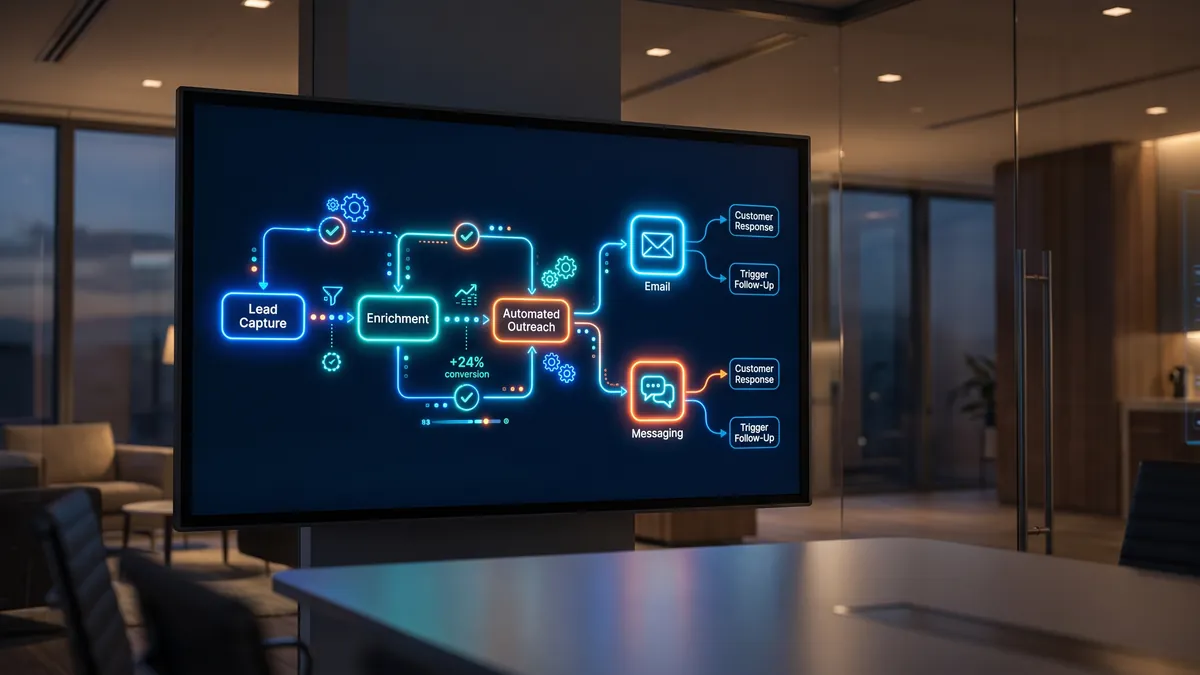
Choose a cadence appropriate to the enquiry and explain it internally. There is no universal sequence that suits every service, deal size, or buyer. Start conservatively, review response quality, and make it easy for a salesperson to pause automation when the conversation becomes personal or complex.
Keep channels coordinated. A customer should not receive an email, WhatsApp reminder, and phone call simply because three tools each detected inactivity. Record the preferred contact route and the relevant permission. Use one owner to manage the next step when several channels are available.
For WhatsApp, consult the official Business Messaging Policy before configuring a sequence. It requires recipient permission and respect for opt-outs, and its template rules affect messages sent outside the customer service window. Review changes to those rules with the person responsible for the integration.
Make stopping and pausing reliable
Define hard stops for opt-out, an explicit decline, an invalid contact, and completion of the intended action. A reply should generally pause the automated sequence until its meaning has been handled. Do not depend solely on a language model to decide whether a customer has asked to stop contact.
Provide a manual override that is easy to find. Salespeople need to pause a sequence during negotiations, complaints, or unusual circumstances. Log the reason and decide whether resumption requires a person. Otherwise, a scheduled job may reactivate messages after someone deliberately stopped them.
Test timing races. A buyer can reply moments before a scheduled message is sent. The system should recheck the latest state immediately before sending, not rely only on the state captured when the message was queued. This small design choice prevents many awkward conversations.
Keep the CRM and delivery systems consistent
Store the contact, enquiry, owner, last meaningful interaction, next action, and messaging status in a shared record. Avoid duplicating the same person across tools without a clear identity rule. A merged contact should not keep receiving sequences attached to an older duplicate record.
Track delivery failures separately from non-response. A bounced email or failed message is not evidence that the buyer is uninterested. Create an appropriate task for review rather than repeatedly sending through the same broken route. Keep retry rules limited and visible to the team.
Retain enough event history to explain what happened. When a customer asks why a message was sent, the team should be able to identify the trigger, template, and state check. This also helps diagnose accidental sends and correct the workflow without guessing.
Evaluate outcomes with a small controlled pilot
Pilot one service and one enquiry source before expanding. Compare response quality, meetings that actually occur, and the time salespeople spend correcting automation. Review the content of replies, not just their count. An increase in irritated responses is not a successful engagement result.
Look for abandoned handovers and repeated questions. These indicate gaps between automation and human work. Adjust the workflow based on those findings, and retire messages that do not help buyers make progress. A shorter sequence with clear relevance can be more useful than a long sequence maintained only because it was once configured.
"The most important rule in a follow-up sequence is often the rule that stops it." — BAZ Team
Key Takeaways
- Define enquiry states, owners, and next actions before writing messages.
- Separate automated receipts from meaningful sales responses.
- Coordinate timing and channels around context and permission.
- Recheck stop conditions immediately before each send.
- Judge the workflow by useful conversations and reliable handovers.
Need follow-up that stays relevant as conversations change? Explore BAZ sales automation support.