Connecting
Dots
Creating Impact.
Bayan Alzahabi Marketing & PR




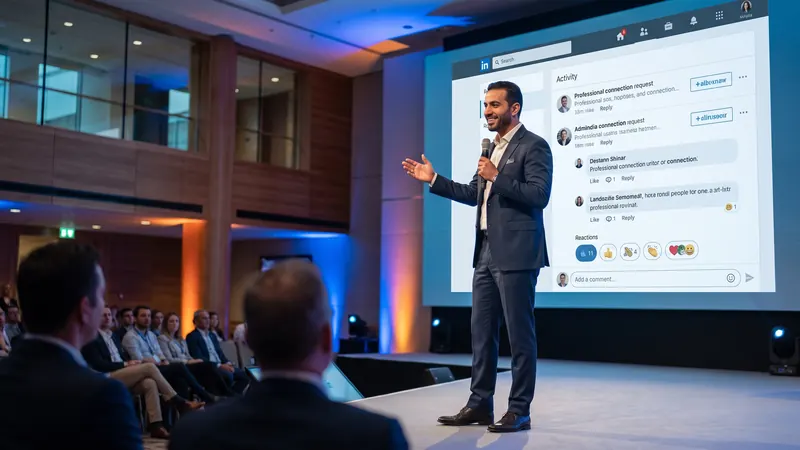
Building a sustainable, high-growth marketing engine in the UAE and wider GCC requires moving beyond reactive campaign tactics toward structured strategic acquisition. Marketing decision-makers in Dubai, Abu Dhabi, and Riyadh face a rapidly evolving landscape driven by digital acceleration, regional compliance frameworks, and shifting consumer expectations. This guide breaks down the practical framework behind founder-led thought leadership: turning a CEO's LinkedIn into an earned media engine that drives commercial return.
"Organizations in the GCC that integrate structured digital workflows, localized customer touchpoints, and predictive analytics achieve 2.4x higher marketing efficiency compared to traditional campaign models." — BAZ Team Strategic Report
Understanding the Regional Market Landscape in 2026
The Middle Eastern digital market represents one of the most dynamic business environments globally, characterized by high smartphone penetration, affluent demographics, and rapid infrastructure modernization. According to recent GCC digital economy benchmarks published by regional research bodies, digital media adoption across the UAE and Saudi Arabia exceeds 96%, with consumers expecting instant, highly personalized brand interactions. To capitalize on this landscape, companies must align strategic acquisition goals with local channel preferences and cultural nuances.
Navigating this market requires acknowledging key regional characteristics: - High mobile-first engagement across social channels, messaging applications, and mobile web search. - A unique demographic mix requiring seamless dual-language capability across Arabic and English. - Rapid adoption of fintech solutions, instant payment gateways, and conversational commerce frameworks. - Stringent regulatory standards governing consumer data privacy and marketing communications across jurisdictions.
By establishing operational foundations tailored to these regional market realities, marketing teams eliminate budget waste and position their brand for sustained topical authority and pipeline velocity.
Strategic Framework and Core Implementation Principles
Executing an impactful strategy around founder-led marketing demands a methodical framework that spans audience segmentation, technical configuration, and multi-touch execution. Rather than treating marketing activities as isolated experiments, enterprise growth teams build interconnected workflows where data flows seamlessly between acquisition channels, analytics platforms, and sales automation systems.
First, establish clear audience definition parameters based on real-world transaction data and regional behavioral signals. In B2B and high-value consumer sectors across the GCC, decision-makers exhibit distinct research pathways, often combining executive social network verification, direct messaging inquiries, and peer recommendations. Structuring campaign touchpoints to address specific objections at each funnel stage ensures higher conversion momentum.
Second, configure technical measurement and attribution infrastructure prior to scaling ad spend or content production. Establishing server-side data tracking, standardized URL parameter hierarchies, and localized conversion triggers ensures full visibility into channel contribution and cost per acquisition.

Step-by-Step Execution Guide for UAE and GCC Brands
To turn strategic concepts into measurable revenue growth, marketing teams must follow a disciplined, sequential execution roadmap tailored for regional operating conditions.
1. Conduct Audience and Channel Audits: Analyze historical performance data across paid search, social media, and direct messaging channels. Identify high-converting customer profiles, dominant mobile devices, and language preferences across target demographics in Dubai and Abu Dhabi. 2. Optimize Core Assets and Conversion Flows: Ensure landing pages, messaging workflows, and web forms are fully optimized for mobile responsiveness, rapid page loading, and localized payment options such as Apple Pay, Tabby, or Tamara where applicable. 3. Deploy Multi-Touch Campaign Structures: Launch structured campaign iterations utilizing structured ad assets, localized copy variations, and precise audience layering. Test bilingual creative assets to capture both expatriate and regional decision-makers. 4. Automate Nurture and Lead Response: Connect lead generation forms directly to automated CRM workflows and instant notification engines. Implementing immediate multi-channel response sequences prevents lead decay and dramatically improves qualification rates. 5. Monitor, Iterate, and Scale: Establish weekly performance reviews focusing on bottom-of-funnel metrics including qualified pipeline value, cost per acquisition, and customer lifetime value rather than vanity engagement indicators.
"Sustained competitive advantage in the Middle East marketing ecosystem belongs to brands that combine operational agility with authentic regional localization and precise data attribution." — Middle East Marketing Leadership Outlook
Common Operational Pitfalls and How to Avoid Them
Even well-funded marketing campaigns in the GCC can underperform if teams fall into common execution traps. Recognizing these operational challenges early enables growth leaders to build resilient, high-yield acquisition programs.
One major mistake is relying on generic international campaign templates without tailoring content to regional cultural contexts or language preferences. Direct translation of Western campaign copy often misses Khaleeji nuances and subtle cultural cues essential for establishing local credibility. Always work with regional media strategists to ensure tone and messaging resonate natively.
Another frequent pitfall is failing to align marketing lead generation with sales team execution. When marketing teams generate volume without automated qualification or immediate follow-up protocols, lead conversion drops sharply. Implementing clear Service Level Agreements (SLAs) between marketing and sales operations ensures every inquiry receives prompt, professional attention.
Advanced Measurement, Scaling, and ROI Benchmarks
To ensure long-term commercial success, marketing decision-makers must establish rigorous performance benchmarks and data governance standards. Measuring performance requires evaluating metrics across the entire customer lifecycle, from initial touchpoint impression down to closed revenue and expansion value.
In the competitive UAE market, evaluating performance purely on cost-per-click or impression volume creates a misleading picture of marketing effectiveness. Advanced analytics teams track blended metrics such as Marketing Effectiveness Ratio (MER), Customer Acquisition Cost (CAC) relative to Customer Lifetime Value (LTV), and Pipeline Velocity. By maintaining real-time dashboard visibility over these financial indicators, leadership teams can make confident budget reallocations toward top-performing channels.
Furthermore, integrating machine learning tools and dynamic attribution models allows teams to understand channel interactions across complex, multi-device buyer journeys. Whether analyzing search visibility, direct social engagement, or automated sales sequences, having unified data hygiene ensures every dirham invested yields clear business return.
Key Takeaways
- Align marketing campaign architecture directly with regional consumer behaviors, mobile channel preferences, and bilingual communication needs across the GCC.
- Establish robust technical measurement and CRM integration before scaling marketing expenditure to maintain accurate attribution and cost control.
- Implement structured, automated lead follow-up sequences across messaging platforms and email to prevent lead decay and improve conversion speed.
- Continuously audit creative performance, localized messaging, and channel efficiency to eliminate budget waste and strengthen long-term return on investment.
Ready to elevate your regional marketing performance and build a high-converting growth engine? Book a strategic consultation with BAZ today.

Listen to this articleEpisode 01